

The Partnership for a New American Economy – a group of more than 450 Republican, Democratic, and Independent mayors and business leaders who support immigration reforms that will help create jobs for Americans – released a new study today, Patent Pending: How Immigrants Are Reinventing The American Economy, showing that 76 percent of patents from America’s top 10 patent-generating universities in 2011 had a foreign-born inventor. The study further highlights the clear value foreign-born graduates bring to the U.S. economy. Ninety-nine percent of the patents by these foreign-born inventors were in science, technology, engineering and math (STEM), an area where the U.S. is projected to face a shortfall of 230,000 qualified advanced-degree workers by 2018. Under current immigration law, when many of these student inventors graduate, they are unable to get a visa that would allow them to stay in the U.S. and potentially help create jobs. In conjunction with the release of the report, the Partnership demonstrated further support for immigration reform that would keep foreign-born STEM graduates in the U.S. with the release of:
- A letter from 90 presidents of leading American universities to President Obama and Congress calling for a bipartisan solution that ensures top international graduates have a clear path to a green card that will allow them to stay in the U.S. and create new American jobs; and
- A nationwide poll, done in conjunction with Compete America, showing overwhelming bipartisan support for the creation of a green card for STEM graduates from U.S. universities with 76 percent of voters in support.
“This is indisputable proof of the enormous contribution of immigrants in developing the new technologies and ideas needed to renew the U.S. economy and create American jobs,” said Partnership for a New American Economy Co-Chair and New York City Mayor Michael R. Bloomberg. “American universities are doing their part in attracting and educating the world’s top minds, but our broken immigration laws continue to push them to our competitors. We simply cannot continue to force these innovators out if we want to remain the world’s leading economy.”
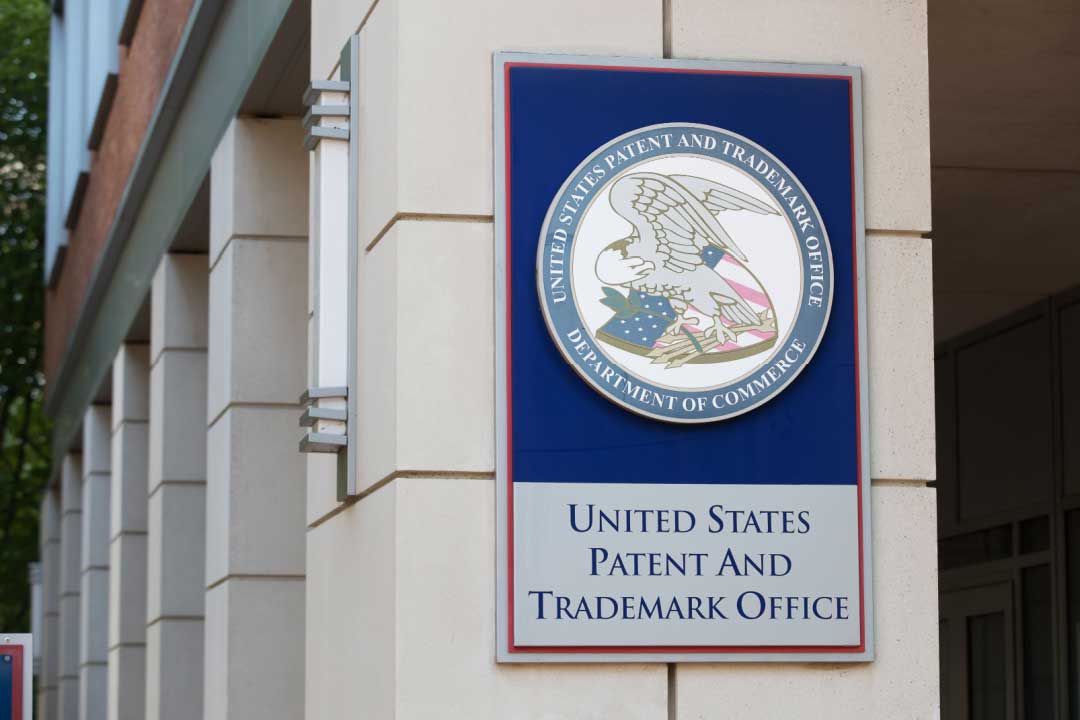
Accessing the U.S. Patent and Trademark Office’s public online database, the study reviewed 1,466 patents from the top ten patent-producing universities in 2011: the University of California system, Stanford University, Massachusetts Institute of Technology, University of Wisconsin, the University of Texas system, California Institute of Technology, the University of Illinois system, University of Michigan, Cornell University and Georgia Institute of Technology. The review of patents from these leading research universities found the following:
- 76 percent of the patents had a foreign-born inventor.
- 54 percent of the patents were awarded to the group of foreign inventors most likely to face visa hurdles: students, postdoctoral fellows, or staff researchers.
- Foreign-born inventors played significant roles in the fields of semiconductor device manufacturing (87 percent), information technology (84 percent), pulse or digital communications (83 percent), pharmaceutical drugs or drug compounds (79 percent) and optics (77 percent).
- The nearly 1,500 patents represented inventors from 88 different countries.
University research is responsible for 53 percent of all basic research in the U.S. and patents represent the first stage in the creation of new products, technologies and companies that create American jobs. Research and innovation are essential to a country’s economic prosperity – according to Nobel-Prize winning economist Robert Solow, as much as half of a country’s economic growth was attributable not to capital or labor, but to actual “technical change.” A few examples of the patents studied include a state-of-the-art camera that lets users change the focus long after taking the photograph, a unique method for quickly detecting cell death – a key sign of a biochemical attack – and a tiny, foldable automobile.
“The simple fact is that foreign-born STEM graduates of U.S. universities are job creators,” said Nick Schulz of the American Enterprise Institute. “Every graduate with an advanced degree working in a STEM-related field in the United States has been shown to create on average 2.62 additional jobs for native-born workers. Sending those people away doesn’t protect American jobs, it jeopardizes them.”
View the full press release here.